The Future of Packaging: Navigating the 3 Pillars of Industrial Automation
In the modern industrial landscape, automation is no longer a luxury—it is the heartbeat of the production line. By integrating advanced control systems, robotics, and intelligent software, manufacturers are drastically reducing human error while achieving unprecedented levels of efficiency and reliability.
At the forefront of this evolution is Capmatic, a global leader in precision packaging and filling systems. Through flagship solutions like the Bambino and Patriot series, Capmatic demonstrates how strategic automation can transform a production facility.
The Evolution: From Manual to Intelligent Systems
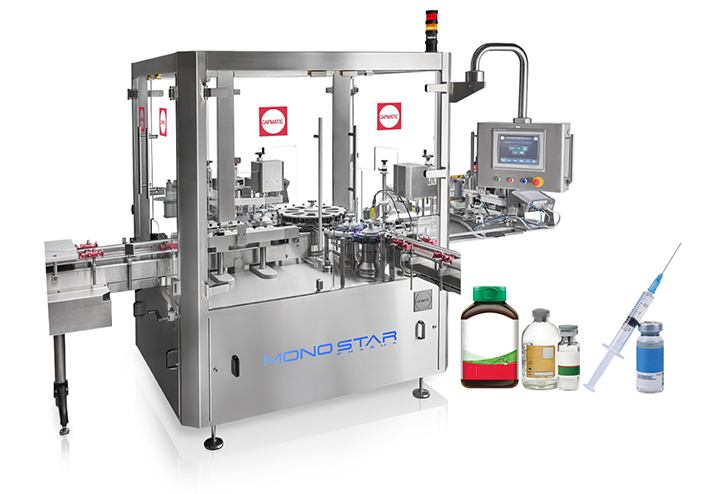
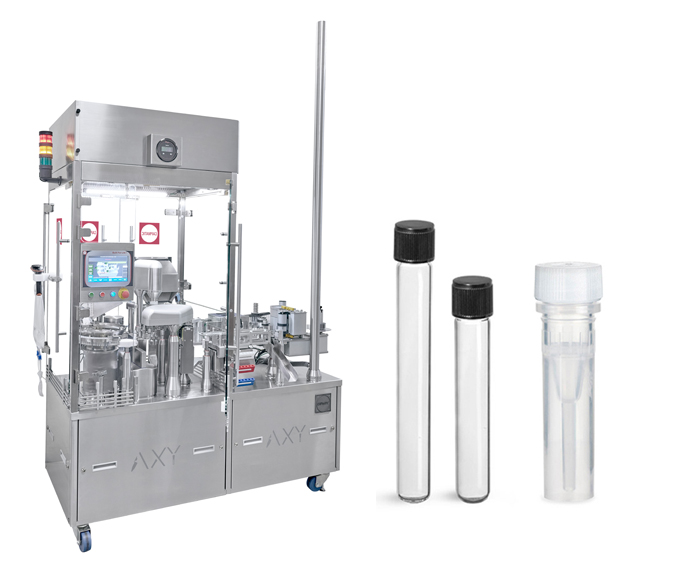
The journey of manufacturing has shifted from labor-intensive manual operations to high-speed, fully autonomous units. Today’s monoblock systems, such as the Bambino (a compact, multi-station rotary system) and the Patriot (a high-precision servo-driven piston filler), epitomize this progress. They don’t just replace labor; they provide a level of consistency that is humanly impossible to sustain.
Understanding the 3 Types of Automation
To optimize a production line, it is essential to understand which type of automation fits your specific needs.
1. Fixed Automation: High-Volume Consistency
Fixed automation is designed for stable, high-volume production where design changes are rare.
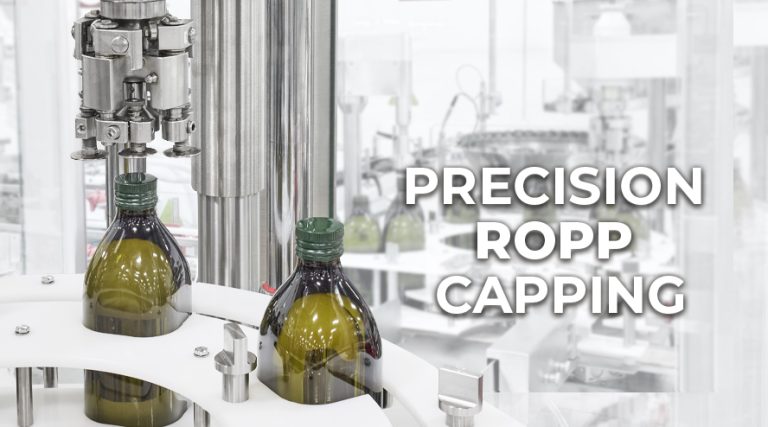
The Capmatic Example: The Bambino system. It integrates filling, plugging, capping, and labeling into one compact, “fixed” workflow.
The Advantage: Maximum production rates and the lowest possible cost-per-unit. It is the powerhouse of high-speed manufacturing.
2. Programmable Automation: Batch Versatility
This type of automation is built for manufacturers who handle different product types in distinct batches.
The Capmatic Example: The Patriot system. With its programmable servo-driven filling and motion stations, it allows for quick, repeatable changeovers via a simple touch-screen interface.
The Advantage: Flexibility. It allows you to pivot your production line to accommodate design variations without purchasing a new machine
3. Flexible Automation: The Ultimate Modular Frontier
Flexible automation represents the peak of modern engineering, where changeovers happen with virtually zero downtime.
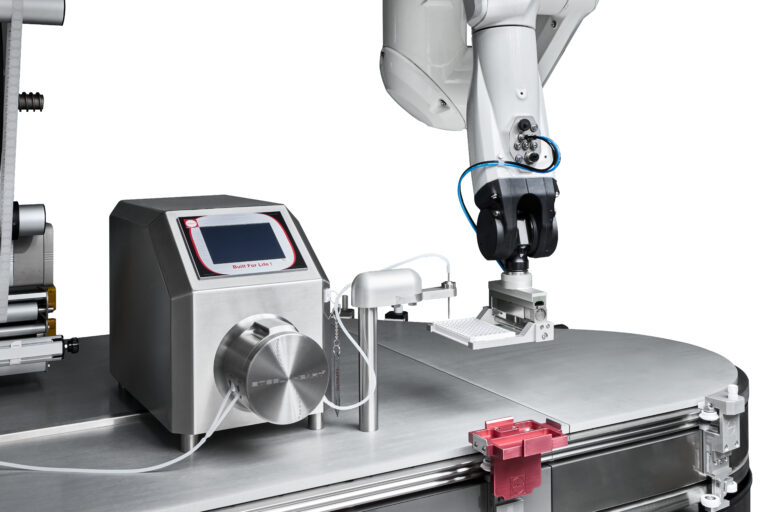
The Capmatic Example:Capmatic Robotika and the Galaxy Platform. This modular, robotics-driven platform is designed to adapt to unique, complex requirements on the fly.
Key Features of the Galaxy Platform:
Modular Architecture: Easily tailored to specific application needs.
Mechatronic Excellence: Uses proven robotics to ensure 100% reliability.
Total Quality Control: Integrated 100% in-process inspections to guarantee zero defects.
Why Automation is Essential Today
Beyond just “speed,” automated systems like those from Capmatic offer three critical benefits:
Enhanced Safety: Integrated safety enclosures (like the Euroguard) protect operators.
Unmatched Precision: Servo-driven motors ensure every fill is exact, reducing product waste.
Cross-Industry Compliance: From Life Sciences and Biotech to Aerospace and Food packaging, automation ensures that strict industry standards are met every single time.
Conclusion: Staying Ahead of the Curve
Automation is the ultimate game-changer. Whether you need the high-speed output of the Bambino or the modular brilliance of the Galaxy Platform, Capmatic provides the tools to optimize, scale, and succeed.